

When families start researching long-term care, “nursing home cost per month” is often the first thing they type into a search bar. It makes sense. Care at this level is a major commitment, and you want to know what to plan for.
The short answer is that there is no single monthly number. What you pay depends on the level of care, the type of room, how the community bills, and, most importantly, what is and is not included in the rate. This guide explains how nursing home pricing works, who pays for it, and which questions help you compare communities fairly, so the number you are quoted is the number you actually pay.
Why Nursing Home Cost Per Month Is Rarely Quoted as One Price
Most skilled nursing communities set their pricing as a daily rate. A “monthly” figure is simply that daily rate multiplied across the days in a month, which is also why many families search for the average cost of a skilled nursing facility per day. That is why two communities can seem close in price on paper and feel very different once the first bill arrives. The daily rate is only meaningful if you know what it covers.
Several factors shape what a family ultimately pays:
- Level of care: People who need round-the-clock skilled nursing, help with medications, or support with daily activities may be priced differently than those who need less.
- Room type: Private rooms and shared rooms are often priced differently.
- What is billed separately: Some communities advertise a lower base rate and then charge extra for services such as laundry, incontinence supplies, dietitian visits, cable TV, activities, transportation or internet, so the total can climb well beyond the starting price.
- How the stay is paid for: Private funds, long-term care insurance, Medicaid and Medicare each follow different rules, which we cover below.
What an All-Inclusive Daily Rate Means
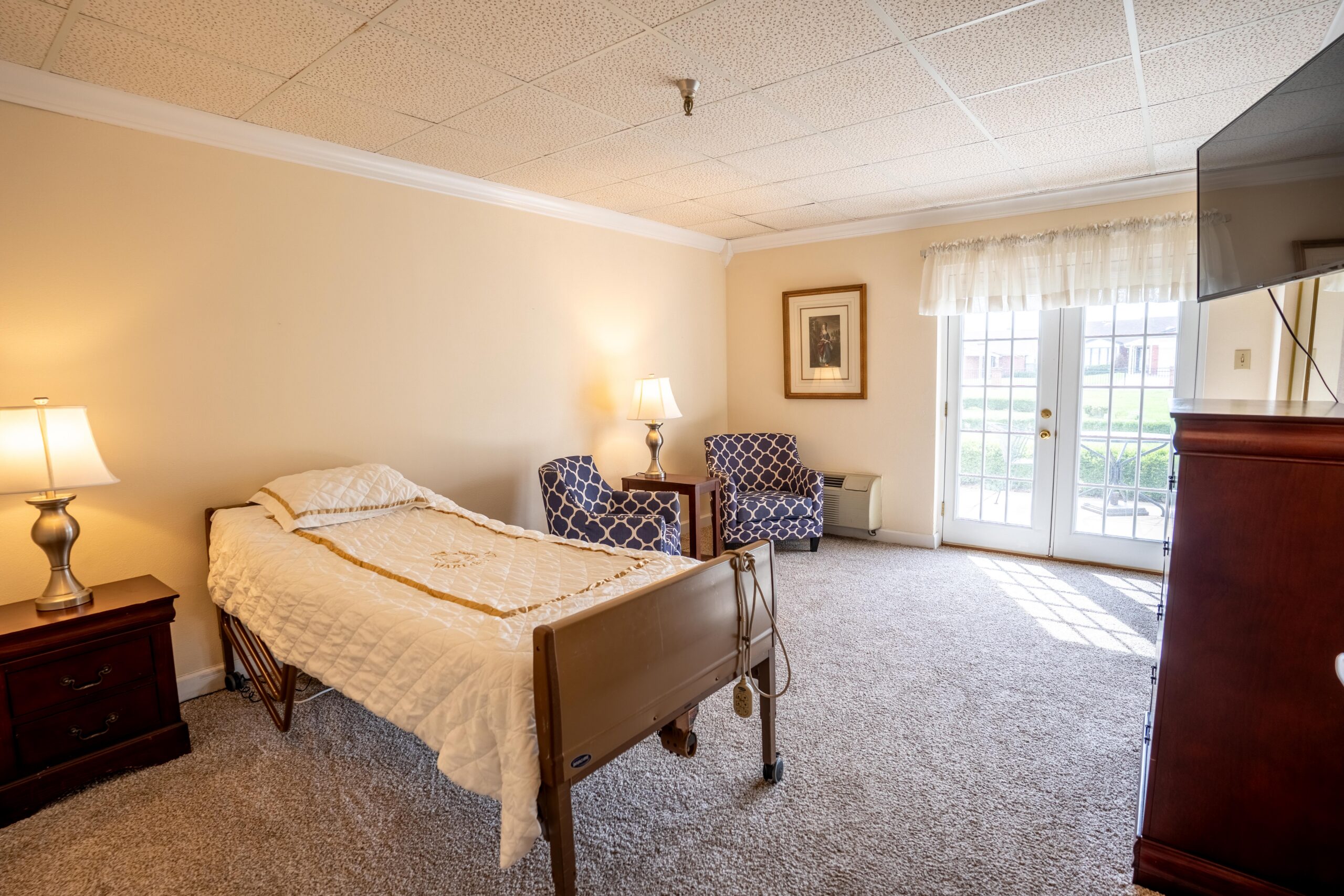
An all-inclusive rate is designed to take the guesswork out of budgeting. Instead of a lower base price plus a list of add-ons, the everyday essentials are bundled into one daily rate. At Mari de Villa, the daily rate for skilled nursing guests is all-inclusive and covers:
- A private room
- All meals, plus a Registered Dietitian consultation
- Daily housekeeping and all personal laundry
- Cable TV and flat-screen TVs in all rooms
- Incontinence products
- Daily activities and social hours
- Transportation (some limitations apply)
- 24/7 nursing care
You can read more on our all-inclusive skilled nursing page or see what makes Mari de Villa different.
Questions to Ask Any Nursing Home About Extra Charges
Whether you are touring one community or five, a few direct questions make the comparison much clearer. Ask each one to put the answers in writing.
- What does the daily rate include, and what is billed separately?
- Are personal laundry, incontinence supplies, dietitian visits, cable TV, activities and wireless internet included?
- Is transportation to appointments included? Are there limits or fees?
- Is the room private or shared, and does that change the rate?
- Does the rate change if care needs increase?
- How and when can rates change, and how much notice is given?
Our guide on how to choose a skilled nursing facility offers more questions to bring on a tour.
Who Pays for a Nursing Home?
Most families use one or a combination of the following sources, which the National Institute on Aging also outlines in its guide to paying for long-term care.
Private Pay
Many families pay from savings, retirement income, the sale of a home or other personal resources, especially at the start of a long-term stay.
Long-Term Care Insurance
If your loved one has a long-term care policy, review it carefully. Benefits, waiting periods and daily limits vary, so contact the insurer early and ask what documentation the community will need to provide.
Medicaid
Medicaid can help pay for nursing home care for people who meet income and asset requirements set by the state. Rules are detailed, and an elder law attorney or the state Medicaid office can explain how they apply to your family.
Medicare
Medicare is the source families are most often surprised by. We cover it in detail in the next section.
Does Medicare Pay for a Nursing Home?
This is one of the most common questions families ask, and the answer is nuanced. Original Medicare may help pay for a short-term stay in a skilled nursing facility after a qualifying hospital stay, but the benefit is limited in length and cost-sharing applies after the first 20 days. Medicare.gov publishes the current amounts on its page about skilled nursing facility care coverage, and they change from year to year.
What Medicare does not do is pay for long-term custodial care, meaning ongoing help with daily activities over months or years. Medicare.gov explains this on its long-term care coverage page, which also notes that Medicaid and private long-term care insurance are options to explore. The rules for Medicare are the same in Missouri as everywhere else in the country. For a closer look at the 100-day benefit, read our post on how long Medicare pays for nursing home care.
Nursing Home vs. a Live-In Nurse: Comparing the Cost
Some families wonder whether hiring a live-in nurse at home would cost more or less than a nursing home. The two are difficult to compare directly, because they are not set up the same way. Around-the-clock care at home typically takes more than one caregiver to cover every shift, and the household still has its own expenses such as meals, housekeeping, laundry, supplies and home upkeep. A nursing home bundles room, meals, nursing care and daily support into one rate.
When you compare, add up everything you would pay for at home and set it beside what the community’s daily rate includes. The comparison is only fair when both sides cover the same things.
It also helps to understand the difference between care settings. Our guide to assisted living vs. nursing home care explains how they differ, and our post on the cost of assisted living in St. Louis covers how that option is priced.
Why Licensing and Staffing Matter Alongside Price
Cost is only one part of the decision. In Missouri, assisted living facilities must maintain “adequate staffing,” and what counts as adequate can vary from one facility to the next. Skilled nursing facilities follow a minimum staffing requirement. Mari de Villa is licensed for skilled nursing while keeping an assisted living-style environment, which means guests can age in place even if their care needs change. When you tour, ask each community about its licensing and how many nursing staff are on each shift, not only about its rate.
Frequently Asked Questions
How much is a nursing home per month?
There is no one-size-fits-all monthly figure. Cost depends on the community, the level of care, the room type and what the daily rate includes. The most reliable way to learn what a specific community charges is to call and ask for a written breakdown of the rate and anything billed separately. An online nursing home cost calculator can give a rough estimate, but only a written breakdown shows what you will actually pay. To ask about Mari de Villa’s current rates, call 636.227.5347.
How expensive is it to live in a nursing home?
It depends on the level of care, the room type and what the daily rate includes. Skilled nursing includes 24/7 nursing care, which is a different service than assisted living or independent living. Compare options by what is included, not by the headline price alone.
How do most Americans pay for a nursing home?
Families commonly use a mix of personal funds, long-term care insurance and Medicaid. Medicare helps only with limited, short-term skilled nursing stays after a qualifying hospital stay and does not cover long-term custodial care.
Does Medicare pay for nursing homes in Missouri?
Medicare’s skilled nursing facility benefit applies the same way in Missouri as in every other state. It is limited to a qualifying stay and up to 100 days per benefit period, with a daily coinsurance after day 20. It does not cover long-term care.
Is it cheaper to have a live-in nurse or a nursing home?
It depends on the hours of care needed and what else you would be paying for at home. Count every shift, plus meals, housekeeping, laundry and supplies, and compare that total with what an all-inclusive daily rate covers.
Talk With Our Team About What Is Included
If you are comparing long-term care options for someone you love, we are happy to walk you through exactly what Mari de Villa’s all-inclusive daily rate covers and answer your questions about paying for care. Call us at 636.227.5347, schedule a tour, or contact us online. You can also read why families searching for a nursing home near them choose Mari de Villa.

