
Typing “best memory care facilities near me” into Google at 11 p.m. is a specific kind of exhausted. Maybe your parent had a scare last week, maybe a doctor finally said the word “dementia” out loud, or maybe you’ve just quietly known for months that home care isn’t enough anymore. Whatever brought you here, the search results that come back, page after page of directories, national brands, and sponsored listings, rarely make the decision feel any clearer.
That’s the part nobody warns you about: it’s not that there aren’t enough memory care options in St. Louis. It’s that most of the listings look interchangeable from the outside, and the differences that actually matter to your family’s day-to-day life don’t show up in a five-star rating.
Why This Search Feels Harder Than It Should
Search results for memory care are dominated by local listings and national directories because Google knows this is fundamentally a local decision. You’re not choosing a brand. You’re choosing the building your parent will live in, the specific staff who will know their routines, and the community that will become their daily life. That’s a lot to evaluate from a website.
The Alzheimer’s Association puts it plainly: there is no one-size-fits-all formula when it comes to Alzheimer’s and dementia care, because needs and family situations vary so much. The organization points families toward looking for Joint Commission Memory Care Certification and understanding that different care settings offer genuinely different levels of support, not just different price tags.
What to Look for in the Best Memory Care Facility Near You
Once you start touring, a few questions separate a community that’s right for your family from one that just looks good in photos:
- How is staff trained specifically for dementia care? General senior living experience isn’t the same as memory care experience. Ask how staff are trained to handle confusion, wandering behavior, and communication challenges, and how often that training is refreshed.
- What does the staff-to-resident ratio actually look like on a Tuesday afternoon, not just during a scheduled tour? Ask directly. A community confident in its staffing will tell you without hesitation.
- How personalized is the care plan? Memory care needs change, sometimes month to month. A community that reassesses and adjusts care plans regularly is telling you something important about how closely they’re paying attention.
- What does a typical day look like? Meaningful activities, not just supervised time, make a measurable difference in quality of life for residents living with dementia.
Why a Single-Location Community Changes the Experience
At Mari de Villa, one thing tends to stand out to families comparing options: it’s a single-location senior living community in Town & Country, not one campus in a chain spread across the region or the country. That matters more than it might sound. Leadership and staff aren’t splitting attention across multiple properties. The people managing care are the same people who know your parent’s name, their routines, and the small details that make a difference on a hard day.
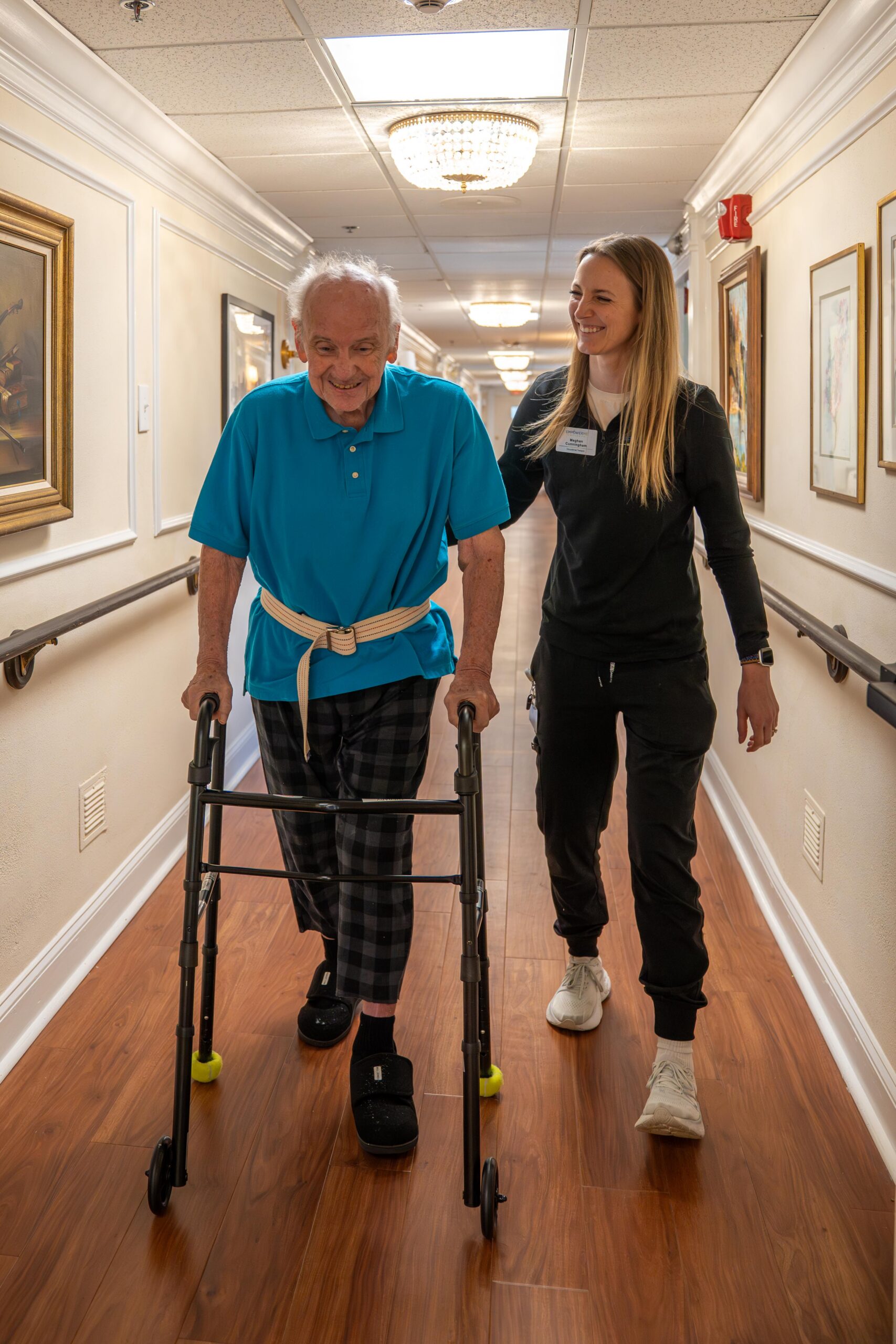
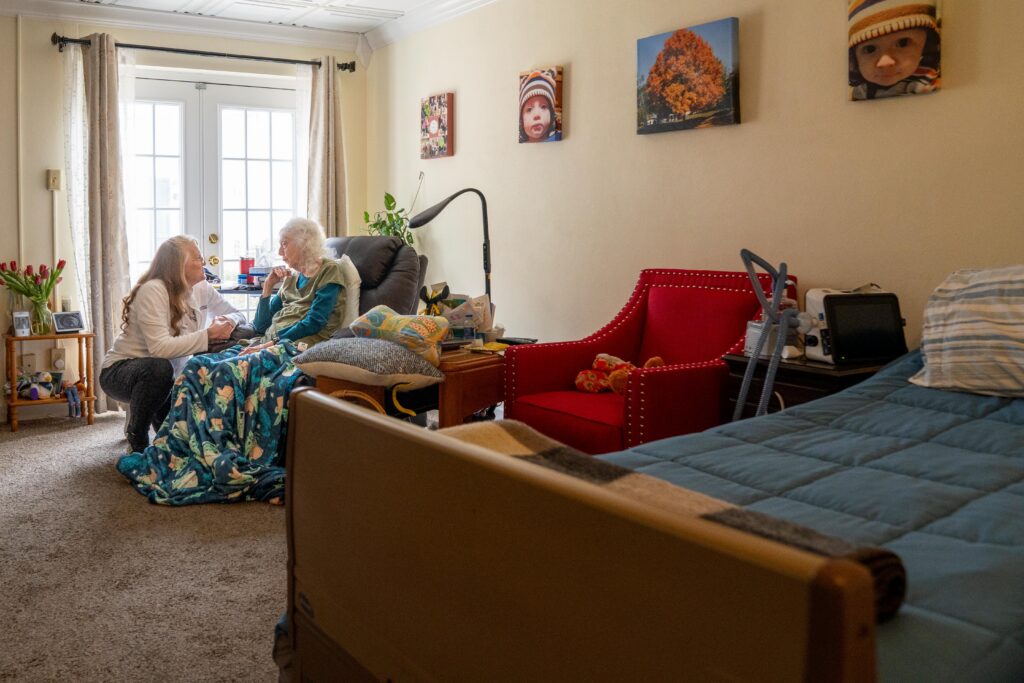
Mari de Villa has operated from this one Town & Country location since 1960, and the team describes residents as “guests” rather than a caseload, a small language choice that reflects a broader philosophy: the staff are there to serve, not just supervise. Within the community’s memory care program, that shows up as consistent staff relationships, individualized routines, and a physical environment designed specifically for residents living with Alzheimer’s and other forms of dementia, not a retrofitted wing of a larger facility.
Ask About the Path Forward, Not Just Today
One detail families often overlook until later: what happens if care needs increase? Moving a parent with dementia to a new building and a new set of unfamiliar faces can be genuinely destabilizing. The National Institute on Aging advises families to ask directly whether a community can adjust care as needs progress, rather than assuming every facility can accommodate advancing dementia. Communities that offer a full continuum of care, from memory care through skilled nursing and skilled rehabilitation, mean your parent can transition to a higher level of care without leaving the community, the staff, or the routines they already know. It’s worth asking any facility you’re touring directly: what does that transition actually look like here?
Bring a List of Questions, Not Just a Checklist
The facilities that welcome hard questions, about staffing, about training, about what happens on a bad day, are usually the ones confident in the care they provide. Trust your read of the actual community over the polish of the website that brought you there.
Frequently Asked Questions
- What is the difference between memory care and assisted living? Assisted living supports seniors with everyday tasks like meals and medication reminders, while memory care adds secured environments, specially trained staff, and daily routines designed specifically for residents living with Alzheimer’s or other forms of dementia.
- How do I know when it’s time for memory care? Common signs include wandering or getting lost, safety incidents at home, worsening confusion, or a family caregiver reaching the point of burnout. A conversation with your parent’s doctor or a tour of a local memory care community can help clarify whether it’s the right time.
- What questions should I ask when touring a memory care facility near me? Ask about staff-to-resident ratios, dementia-specific training, how care plans are personalized and reassessed, and what a typical day looks like for residents, the same questions covered earlier in this guide.
- Does Mari de Villa offer memory care in the St. Louis area? Yes. Mari de Villa’s memory care program is part of its single-location senior living community in Town & Country, Missouri, along with skilled nursing and skilled rehabilitation, so residents can transition to a higher level of care without leaving the community they know.
See Mari de Villa for Yourself
The best way to evaluate a memory care community is still to walk through it. Schedule a visit to Mari de Villa to meet the care team, see the memory care neighborhood in person, and ask every question on your list. If your family’s needs change down the road, our skilled nursing and rehabilitation services are here too, in the same community your parent already calls home.

